
ZDNET’s key takeaways
- Necessities is an influence consumer’s dream come true on Android.
- You’ll discover tons of customizations and tweaks on this app.
- The app is free, however needs to be side-loaded.
Most Android homeowners know of the Settings app, which provides all of them the ability Google assumes they want. Then there’s the Developer Choices characteristic that may be enabled to offer customers much more energy.
Additionally: I turned an previous Android telephone right into a server for my LAN
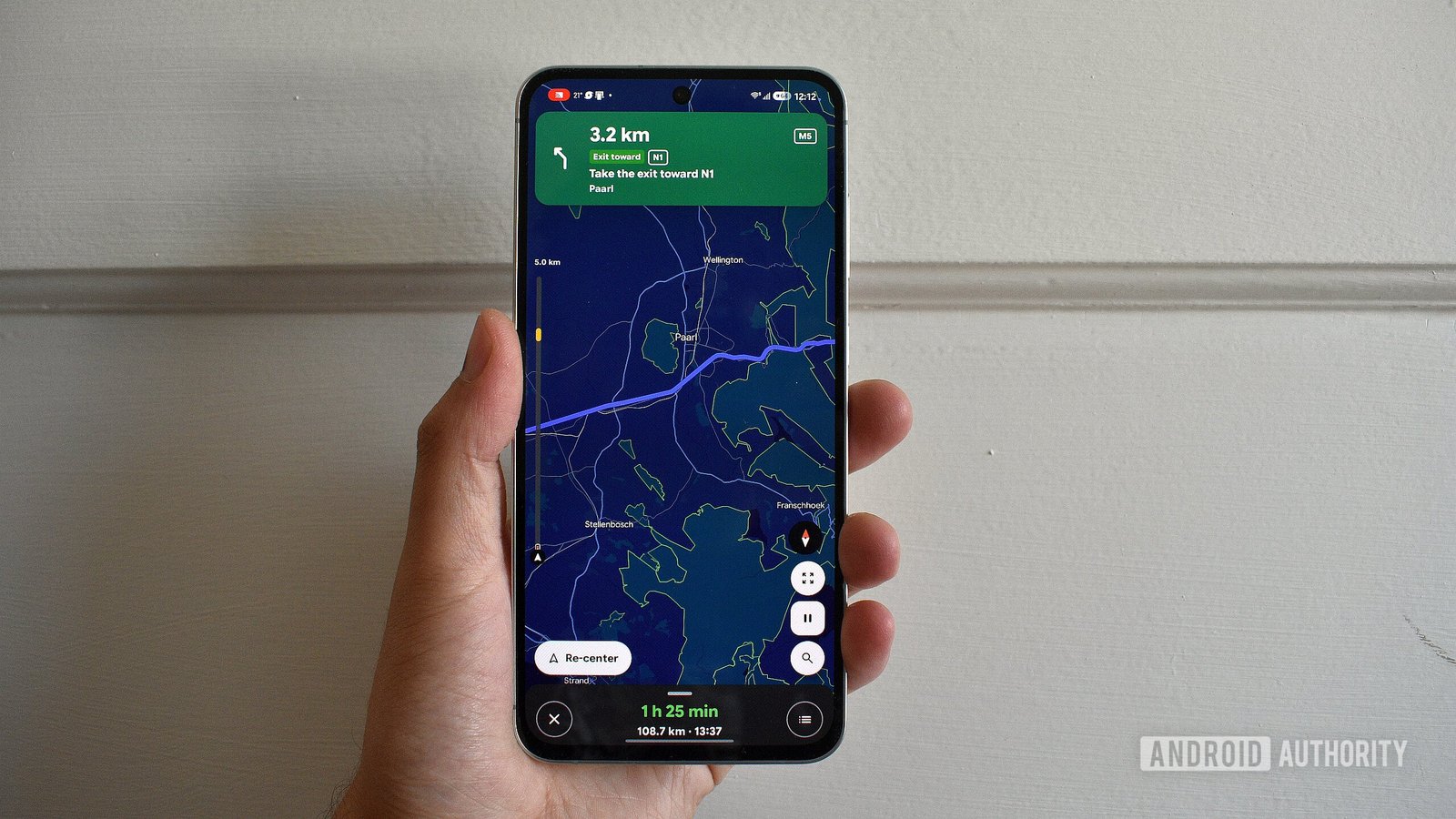
If that’s not sufficient, there’s now Necessities, a power-user’s toolbox that features 30+ mods and tweaks for issues like button remapping, app freezing, Google Maps battery saving modes, sound and haptics, wallpaper, widgets, standing bar icon customization, edge lighting, flashlight pulsing, notification administration, All the time-On Show, and extra.
Getting Necessities
Necessities isn’t discovered on the Google Play Retailer. As a substitute, Necessities should be sideloaded from the APK out there on its official GitHub Repository. Understand that Google has modified the way in which apps are sideloaded.
Additionally: Easy methods to sideload Android apps in your telephone now
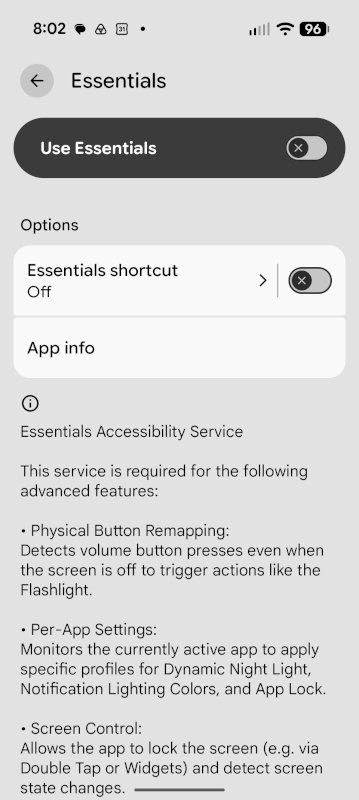
Be sure to perceive the brand new sideloading course of earlier than you proceed. You’ll additionally want to alter some permissions, relying on the characteristic you wish to use. For instance, to alter lock display shortcuts, it’s important to allow it in Accessibility Companies.
As nicely, it’s important to allow restricted settings, which is finished with Settings > Apps > See all X apps > Necessities. On that web page, faucet the three-dot menu after which faucet “Enable restricted settings.”
With out that characteristic enabled, Necessities will likely be hamstrung by Android’s permissions system.
Utilizing Necessities
Necessities is pretty easy to make use of. You open the app, seek for the characteristic you wish to allow, and allow it. One factor you’ll uncover is that it’s important to allow a number of permissions for Necessities. It appears each time I’m going to allow or customise a characteristic, I’ve to grant yet one more permission. I do know it seems like a trouble, however given the additional energy you acquire, it’s value it.
Additionally: Easy methods to activate Android’s Non-public DNS mode
Let me stroll you thru a characteristic present in Necessities you’ll want had been baked into Android. The characteristic is App Lock, which helps you to require authentication for particular apps. This can be a useful possibility, particularly if somebody will get ahold of your telephone whereas it’s unlocked and tries to open sure apps you’d desire to maintain non-public (equivalent to your banking app). To make use of this characteristic, it’s important to grant Necessities permission for Accessibility options, which you’ll be prompted to do while you go to allow it.
 Screenshot by Jack Wallen/ZDNET
App Lock is present in Necessities > Safety and Privateness. As soon as there, click on the On/Off slider to allow App Lock, and also you’ll be prompted to grant the required Necessities permission in Accessibility. After enabling the characteristic, faucet it, and also you’ll be prompted to authenticate with fingerprint, face, or password/PIN (whichever you’ve got arrange).
 Screenshot by Jack Wallen/ZDNET
On the following web page, faucet “Choose locked apps,” and also you’ll be prompted to pick the apps that require authentication to open. For example, I wish to guarantee that Authy (my 2FA app of selection), my financial institution app, and Messages require authentication earlier than they open. To try this, I faucet the On/Off slider for these apps till they’re within the On place. The subsequent time I’m going to open any of these apps, I’ll be required to authenticate through the fingerprint sensor.
Additionally: This silent Android characteristic scans your photographs for ‘delicate content material’
 Screenshot by Jack Wallen/ZDNET
One other useful characteristic is present in Notifications and Alerts, the place you possibly can allow notification lighting, flashlight pulse, notification snoozing, and snooze system notifications. You may allow notification lighting after which choose which apps it applies to. I enabled notification lighting for Messages and Cellphone, so I’ll by no means miss a message or name, even when my telephone is on silent mode. You can even allow flashlight pulses, so it doesn’t matter in case your telephone’s display is going through up or down — you’ll be notified of your messages.
 Screenshot by Jack Wallen/ZDNET
That’s primarily how Necessities works. Do keep in mind two issues: you’ll be met with a barrage of permission requests, and a few of these permissions aren’t doable except you’ve got root entry or Shizuku (an open-source Android software that lets third-party apps use system-level APIs and ADB (Android Debug Bridge) privileges with out requiring you to totally root your gadget. Additionally, be aware that Shizuku requires you to allow wi-fi debugging to start out the service. As soon as you put in Shizuku (from the Play Retailer), you’ll discover detailed (and prolonged) instructions on how to do that.
Additionally: 5 methods I pace up your Android telephone past clearing system cache
If you need significantly extra management over your Android gadget, I extremely advocate including Necessities, as you gained’t discover most of those choices in every other software.

See full bio