

Pankil Shah / Android Authority
Add Android Authority on Google:
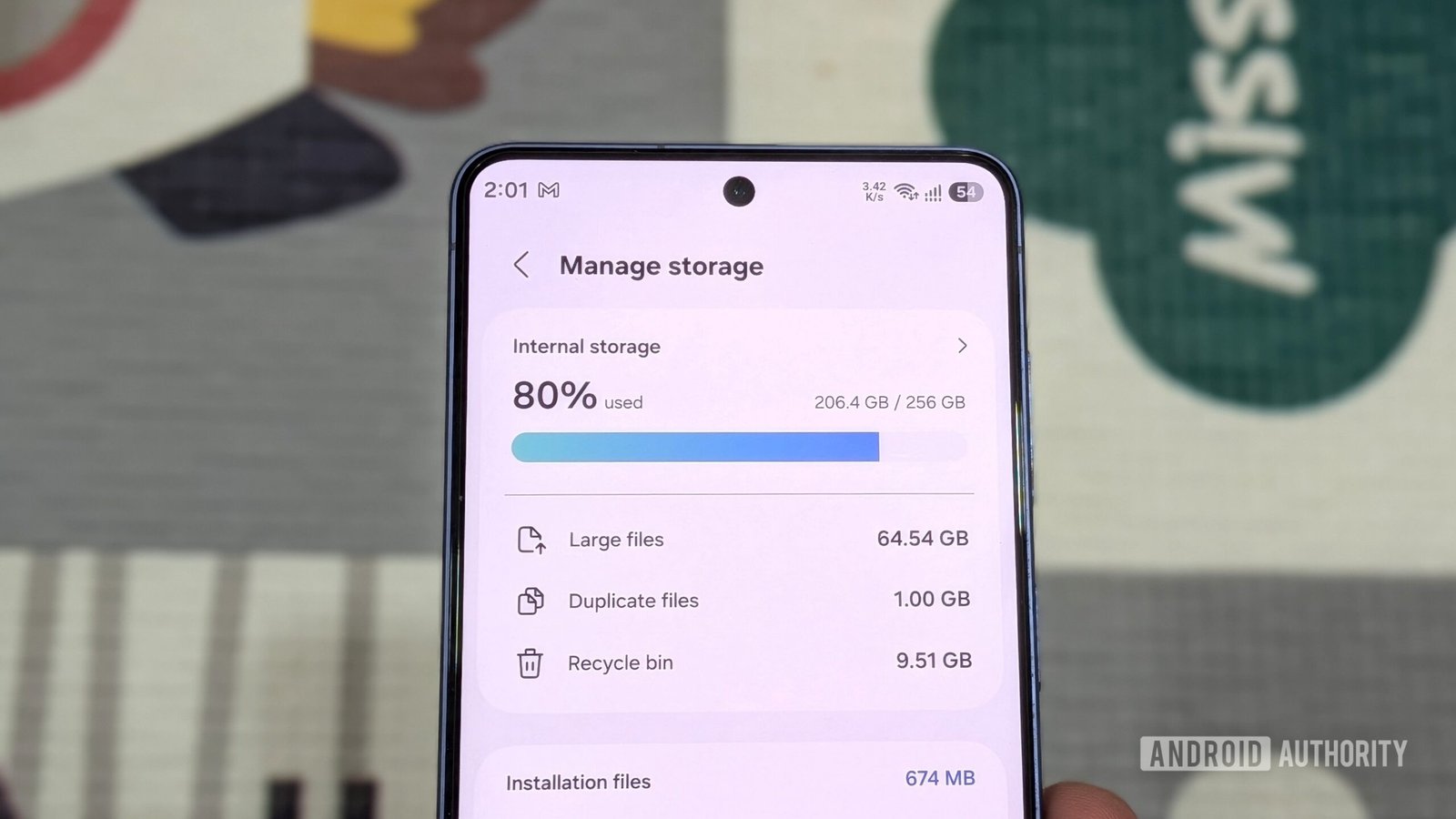
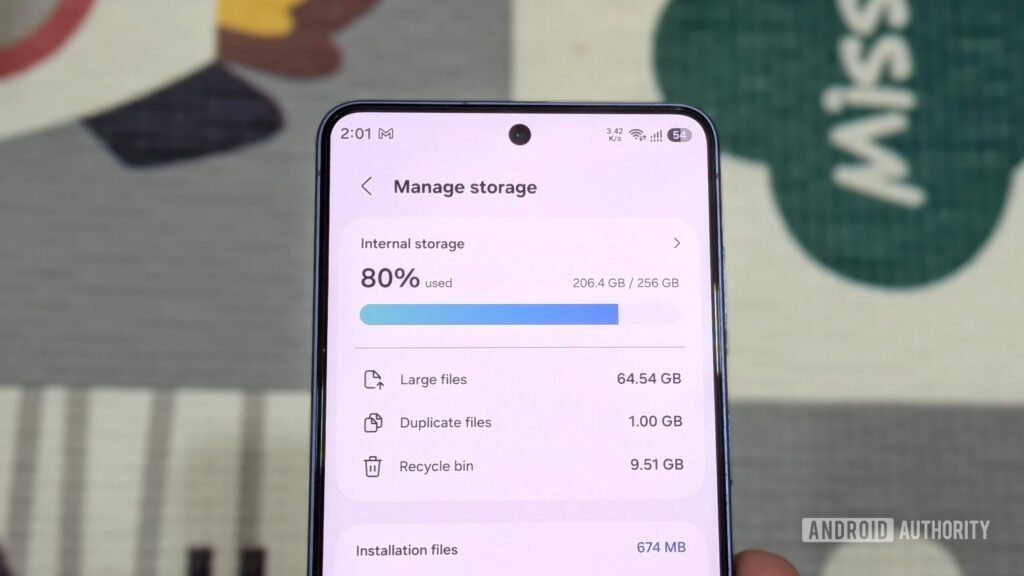
My Galaxy S26 solely has 256GB of inner storage, and there’s no SD card slot to broaden it. So sure, storage is a continuing wrestle for me, particularly with a digital camera this good that I simply can’t cease utilizing. However I wasn’t about to sacrifice my valuable photographs to unlock area, so I went on the lookout for different methods to do it.
I went via forgotten apps, bloated caches, offline downloads, and previous recordsdata I didn’t want anymore. It helped unlock 36GB of storage, and extra importantly, it wasn’t wherever close to as tedious as I saved assuming it might be.
What’s consuming probably the most storage in your telephone proper now?
0 votes
Take away or archive undesirable apps

Pankil Shah / Android Authority
This one’s fairly apparent, however a number of the Android apps and video games can simply continue to grow and eat up a ton of storage. So I began with the simple half: eliminating apps I wasn’t utilizing. There have been near a dozen apps, together with a video editor I had solely used twice, some random video games I’d stopped enjoying, and a few browsers I had put in only for testing. It took some time to delete all of those one after the other, but it surely freed up near 4GB.
There have been additionally some apps I didn’t use day by day however couldn’t carry myself to delete. So, I archived these. Archiving apps is a pleasant center floor because it doesn’t take away an app utterly however nonetheless frees up storage by deleting many of the core app recordsdata and short-term information. It’s additionally fast. Go to Settings > Apps > [App Name] and select Archive. It roughly reduces the app measurement by 60% to 90%, and if you need it again, you merely need to faucet the app icon, and your telephone redownloads the lacking app recordsdata from the Play Retailer.
The principle profit right here is that you simply don’t need to log in and do any type of setup if you restore an app — it virtually feels just like the app was by no means gone. You too can automate the app archiving course of by heading to Play Retailer Settings > Common and turning on Robotically archive apps. This lets Android archive unused apps mechanically when the storage runs low.
Clear the cache of the largest storage hogs

Pankil Shah / Android Authority
I didn’t cease on the apps I wasn’t utilizing. Among the apps I depend on day by day — Chrome, Instagram, WhatsApp, Spotify, YouTube, and Maps — have been additionally taking over an absurd quantity of area that I simply couldn’t ignore. Most of it was because of the cache information these apps had collected over time. Cache is necessary for efficiency, certain, however should you’re tight on storage, there’s no hurt in clearing it out.
Sadly, Android doesn’t provide you with a easy, one-click choice to clear the cache for all apps without delay (it used to, and I genuinely miss it typically). So, your greatest wager is to go to Settings > Apps and kind apps by storage. Right here, you’ll see a number of the largest offenders in your telephone. Faucet on these apps one after the other, go to Storage and hit the Clear cache choice. I went via my prime 10 storage hogs this fashion and ended up releasing near 6GB, which is lots.
Run Recordsdata by Google cleanup device

Pankil Shah / Android Authority
In contrast to apps, Android doesn’t provide an choice to search out giant recordsdata and photographs contained in the Settings app, so I needed to depend on the Recordsdata by Google app. It has a devoted Clear tab that reveals all of the junk recordsdata, duplicates, previous screenshots, blurry photographs, and huge recordsdata in a single place, which made it simple to identify precisely what I didn’t want. I merely went via every class one after the other and deleted no matter appeared ineffective. I discovered dozens of leftover APKs, random screenshots, giant movies, and some previous ZIP recordsdata. All of this collectively freed up near 4GB.
Recordsdata by Google additionally present thumbnails for the whole lot, so I didn’t need to open a single file manually to know what it was. I may preview, choose no matter wasn’t helpful, and delete it in bulk. One fast notice, although: something deleted via these solutions goes to Trash, the place it stays for 30 days. So when you’re accomplished, be sure that to open the Trash tab and empty it to truly reclaim that area.
Delete offline downloads hiding in your apps

Pankil Shah / Android Authority
Most streaming apps like Spotify, Netflix, YouTube, and Prime Video allow you to obtain content material for offline use. I’ve a behavior of stacking up content material earlier than a vacation or a protracted flight, however I virtually by no means bear in mind to return and delete it as soon as I’m accomplished. These offline recordsdata can simply take up a number of gigabytes of space for storing.
I went via all these apps and ended up deleting playlists, TV reveals, motion pictures, and movies I not wanted. Every app handles offline downloads a bit in another way, so it took a while going via all of them one after the other, but it surely was price it as a result of it acquired me again near 8GB of storage. I don’t personally use offline maps, however should you do, it’s price checking Google Maps too, since saved map information for whole cities or areas could be big.
Transfer giant recordsdata to the exterior storage

Pankil Shah / Android Authority
At this level, I already had sufficient free space for storing on my telephone, however I nonetheless wished to make extra room so I didn’t need to undergo this entire dance once more anytime quickly. Most Android telephones don’t have an SD card slot anymore, however that doesn’t imply cloud storage is your solely choice. With that USB-C port in your telephone, it’s truly fairly simple to attach a flash drive or SSD and transfer all of your giant recordsdata over to it. You may even use an SD card for this with a USB-C card reader.
I had a bunch of enormous 4K movies and previous photographs sitting round that I didn’t want available. All I did was transfer them to my SSD utilizing the Recordsdata app, and it helped me unlock near 12GB. Utilizing exterior storage clearly isn’t as handy as a built-in SD card slot. Nonetheless, should you’re attempting to unlock area in your telephone with out deleting something, it’s genuinely your greatest wager.
And similar to that, my telephone had 36GB of free storage again, and I didn’t need to delete a single photograph or video. It gained’t final eternally, in fact, however that’s nice. At any time when my storage begins creeping up once more, I do know precisely which drawers to verify first.