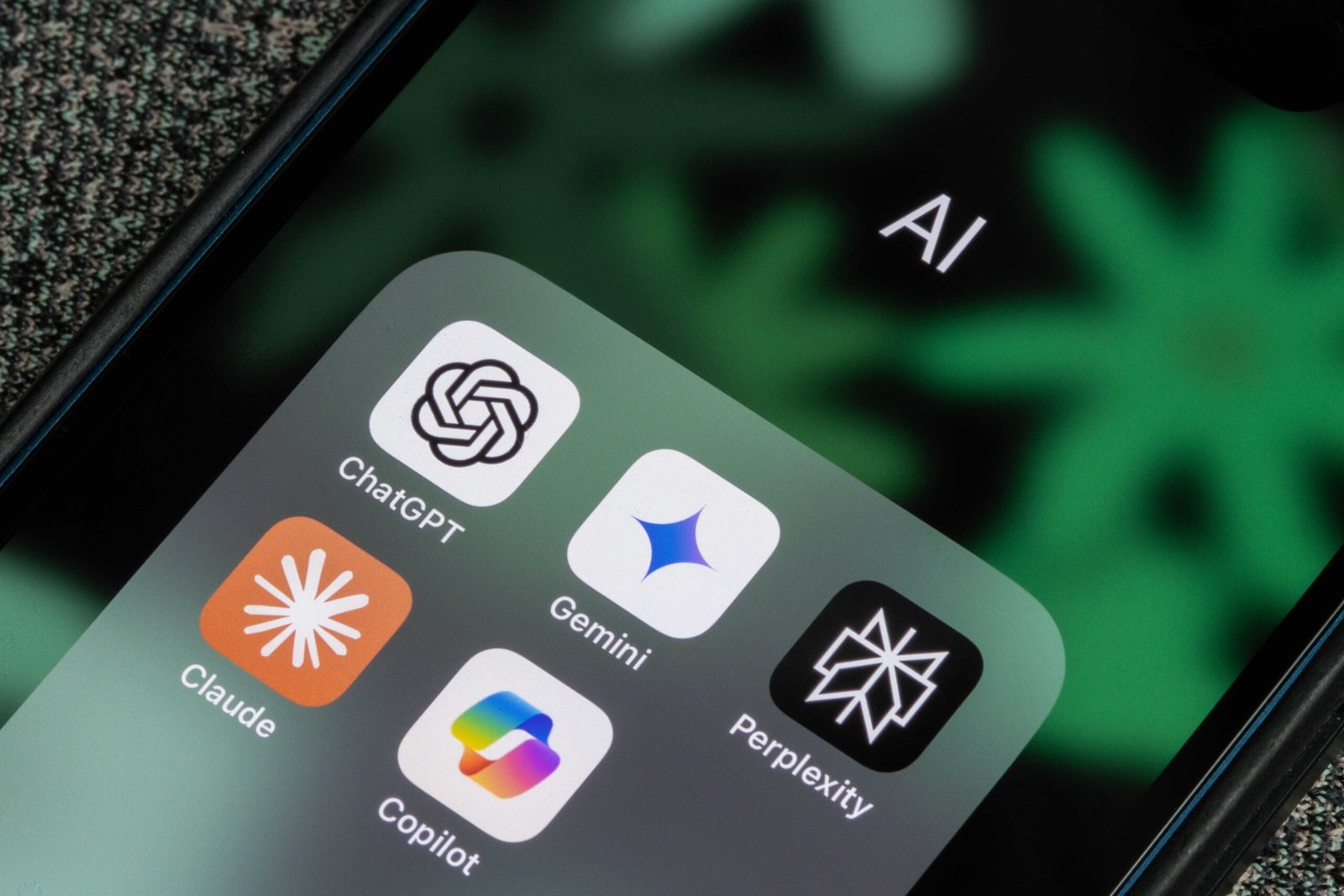


Attackers are distributing malware by means of pretend ChatGPT and Claude desktop functions, utilizing legit, digitally signed executables from OpenAI and Anthropic to load malicious code onto victims’ Home windows methods, in accordance with Examine Level Analysis.
The marketing campaign, tracked as Yoba, makes use of pretend GitHub repositories and web sites selling purported AI functions, together with “GPT-5.6 Sol,” “GPT-6 Astra” and “Claude Opus.”
“These tasks look convincing and use actual GitHub infrastructure, which helps them seem legit to potential victims. The web site reveals search-targeted content material and suspicious installer-delivery techniques in keeping with an Web optimization-poisoning lure,” Examine Level wrote in a weblog publish.
The installers bundle real signed executables with malicious recordsdata that exploit DLL sideloading, a method by which a legit software masses a malicious dynamic-link library, the publish added.
The researchers noticed XMRig, a cryptocurrency miner, because the marketing campaign’s closing payload. However they warned that the loader can retrieve different Home windows executables or PowerShell scripts, making the potential influence broader than cryptomining.
“Future waves could ship totally different malware households,” the researchers added within the publish.
The tasks didn’t inflate stars or forks however nonetheless ranked among the many high Google outcomes, which the researchers attributed to Web optimization poisoning. Malicious releases had been uploaded on August 30 and 31 and September 4, in accordance with commit information within the publish.
Signed OpenAI and Anthropic recordsdata load the dropper
The pretend tasks use GitHub repositories and GitHub Pages websites to explain the purported functions and direct customers to ZIP downloads hosted by means of GitHub releases.
Contained in the downloaded packages, a real signed Setup.exe from OpenAI or Anthropic is positioned alongside a malicious file named winmm.dll. When the executable runs, it masses the malicious library, which Examine Level calls YobaDropper.
The dropper stalls for about 12 days except it’s launched by a course of named Setup.exe. It skips methods utilizing Russian, Belarusian, Kazakh, and different CIS-region keyboard layouts and calls for administrator rights earlier than persevering with, the researchers added.
With elevated rights, it copies a legit Home windows Media Participant binary into the ProgramData folder and locations a second malicious DLL beside it. It then creates a scheduled job that lists Microsoft Company as its creator and runs as Native System three minutes after boot.
Yash Kadakia, founder and CTO at Safety Brigade, mentioned the marketing campaign demonstrates the restrictions of counting on software program signatures alone.
“A sound digital signature establishes the authenticity and integrity of a selected executable. It doesn’t set up that all the things the executable masses, or the bundle it was distributed with, is reliable,” Kadakia mentioned.
“A signed executable shouldn’t be the identical factor as a trusted execution chain,” he added.
Authentic on-line companies conceal malware supply
After establishing persistence, the second-stage element, YobaLoader, contacts attacker-controlled infrastructure to acquire directions and obtain a payload.
Examine Level discovered that the loader makes use of a Telegram channel and a picture to assist generate a site identify, then queries Google’s DNS-over-HTTPS service for encrypted directions saved in a DNS TXT document. It subsequently retrieves an encrypted payload from the Catbox file-hosting service.
Within the assaults Examine Level noticed, the payload was an XMRig cryptominer that routes site visitors by means of Tor and pauses whereas the consumer is energetic. The agency mentioned indicators level to Russian origins however didn’t identify a bunch.
Kadakia mentioned the usage of mainstream on-line companies complicates detection as a result of every connection could seem legit when examined individually.
“Fairly than sustaining devoted command-and-control infrastructure that defenders can simply establish and block, Yoba distributes totally different components of its communication chain throughout legit companies,” he mentioned.
“For SOCs that primarily rely on recognized malicious domains, IP repute, or conventional DNS monitoring, detection turns into significantly tougher.”
Nevertheless, the exercise shouldn’t be invisible, Kadakia mentioned. Sudden DLL loading by signed functions, scheduled duties that launch copied system binaries, execution from ProgramData, and strange community connections can present indicators of compromise. The problem is correlating these indicators throughout endpoint and community telemetry.
Examine Level additionally recognized an earlier Yoba variant, noticed in June, that used a pretend Cursor AI coding-agent software.
CISOs ought to tighten AI software program controls
Kadakia mentioned enterprises ought to make permitted AI instruments simpler to acquire slightly than counting on blanket bans that might encourage workers to bypass inside processes.
“If workers can uncover and set up a helpful AI device in minutes however inside approval takes weeks, shadow IT turns into the predictable final result,” he mentioned.
He really useful reviewing everlasting native administrator privileges on developer workstations, extending software controls past executable signatures to DLL loading and execution conduct, and monitoring software program originating from unverified repositories or user-writable directories.
The marketing campaign is especially related to developer environments, Kadakia mentioned, as a result of workstations can maintain supply code, API keys, cloud credentials, and entry to inside infrastructure.
“The bigger lesson for CISOs is that AI safety can’t be restricted to stopping workers from sharing delicate data with AI fashions,” he mentioned. “They need to additionally safe the software program, identities, privileges, and execution environments by means of which AI enters the group.” OpenAI and Anthropic didn’t instantly reply to requests for remark.