You possibly can belief a social media platform and nonetheless get scammed by an advert operating on it

20 Oct 2026
•
,
7 min. learn

Fraudulent adverts have been round for about so long as the promoting trade. At present, they typically attain you thru social media feeds, apps and search outcomes you employ daily, and the platforms displaying them can even (inadvertently) assist construct them. In September, the US Federal Commerce Fee (FTC) requested whether or not platforms needs to be required to cease impersonation rip-off adverts from ever reaching shoppers. Its concern is the advert instruments that these platforms provide to advertisers. They’ll generate the copy, photos and video, and optimize who sees the consequence, no matter whether or not the adverts are official or not.
In Europe, almost one trillion rip-off adverts have been served to social media customers in 2025, producing an estimated £3.8 billion in income for these platforms. Within the US, information is tougher to come back by, though Meta alone projected 10% of its 2024 income would come from adverts for scams and banned items, amounting to a staggering $16 billion.
For shoppers, the message is obvious: you would possibly belief the platform, however you possibly can’t belief the adverts on it.
What do rip-off adverts seem like?
Rip-off adverts may seem on search engine pages, e-commerce marketplaces and buying websites, cellular apps and video games, video websites, messaging platforms and a bunch of different web sites. However maybe the largest threat comes from social media websites. Almost a 3rd (30%) of people that reported shedding cash to a rip-off final 12 months mentioned it began on social media.
They may embody promoting that:
- Impersonates a official firm and results in a phishing web site designed to imitate the true model
- Gives particular offers on items for a restricted time, as a option to create a way of urgency
- Gives funding alternatives, typically in cryptocurrency ventures, that promise excessive returns with no draw back
- Impersonates buyer help for official corporations like banks
- Guarantees mega giveaways of money and prizes which solely require the consumer to share private and monetary data to entry
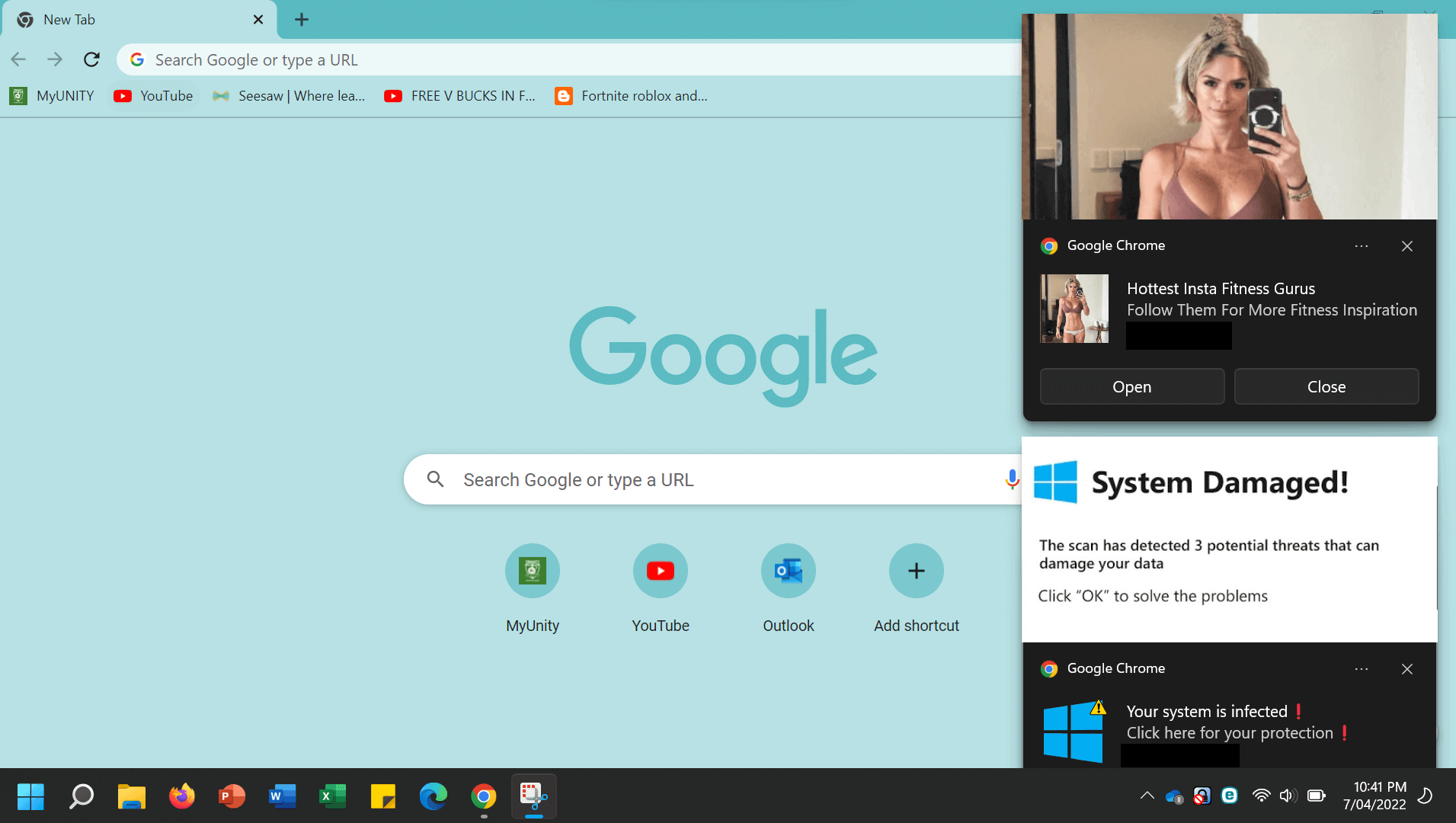
- Scares the sufferer with pretend safety warnings that their pc or gadget is contaminated
- Engages the sufferer with clickbait similar to outrageous information tales with sensational headlines
What’s the top aim?
These adverts serve varied functions. Some could also be outright malicious. Also called malvertising, a click on on this type of advert will exploit browser/software program vulnerabilities or trick you into unwittingly putting in malware through an app obtain. Others are designed to steer you into handing over private data through prize giveaways, questionnaires and different phishing-style pages. This might subsequently be used to commit identification fraud.
One other class of rip-off adverts will goal your funds extra straight. They might ask for cash to put money into a fictitious scheme, pay for a non-existent product, or hand over cash to pay a pretend charge, for instance. In some instances, the rip-off advert might take you to a pretend e-commerce web site which covertly harvests your card particulars.
Whereas these efforts are sometimes digital, beware too of calling telephone numbers on adverts. They could put you thru to a rip-off name heart the place the operatives shall be educated to alleviate you of your cash and/or private/monetary data. That is typically what occurs if you happen to get swindled by a pretend safety alert.
Banks hate these scams as a result of, in jurisdictions just like the UK, they’re answerable for reimbursing clients for “approved push fee” (APP) losses in some situations. They’ve lengthy argued that social media platforms particularly ought to do extra to police this content material, and to compensate victims. Nonetheless, within the US and elsewhere, social media corporations aren’t legally certain to take action, regardless of taking advantage of the advert income.
This will likely change, after all, relying on the result of the FTC’s rulemaking, which is at its earliest stage. It says it could contemplate forcing platforms to vet advertisers, monitor posted adverts, examine scams, take away fraudulent promoting, and pursue disciplinary motion, amongst different measures.

Rip-off-ad crimson flags: what to look out for
Within the meantime, one of the best you are able to do is to identify the warning indicators of a rip-off and steer nicely away from suspect adverts. You must be capable of spot them by searching for a number of widespread crimson flags that embody:
- Pressing language encouraging you to behave shortly. This rushes us into making choices that in any other case we might not make, like sharing our private data.
- Too-good-to-be-true provides that set off our concern of lacking out. These are sometimes offered as time-sensitive in an effort to ramp up the urgency.
- Any requests for delicate private data, which may assist fraudsters construct a profile of us with which to make use of for identification fraud. It might be particulars as innocuous as electronic mail/house deal with, telephone quantity and full title.
- Telephone numbers on adverts that may most likely route you to a rip-off name heart. Most official corporations funnel help points via digital channels initially.
- Strain to obtain software program in an effort to repair an ‘challenge’ together with your pc/gadget.
- Sensational information designed to tantalize and persuade you to click on via.
- Movie star endorsements for services and products on the market (typically deepfaked), or funding alternatives.
What occurs if I’ve fallen sufferer to a rip-off advert?
For those who’ve clicked via on a rip-off advert or known as the quantity, after which downloaded one thing, handed over some private/monetary data, used your card to purchase one thing, or made a financial institution switch, don’t panic. Additionally:
- Don’t reply to any additional messages from the scammer and monitor your accounts for suspicious exercise.
- If related, contact your financial institution or card supplier instantly and inform them what occurred. They need to be capable of freeze your card or account whereas they examine. For those who’ve made a switch, it can fall beneath an APP fraud declare. Card funds could also be eligible for a chargeback.
- For those who’ve handed over passwords, change them instantly on the related web site and wherever else you’ve reused them. Change on two-factor authentication (2FA) for these websites and think about using a password supervisor to retailer robust, distinctive credentials for each account.
- For those who’ve downloaded something, run a scan utilizing safety software program from a good supplier. And guarantee your working system and all purposes are all updated.
- Protect proof of the rip-off the place potential. This consists of the advert itself, and any URLs, screenshots, emails/messages, fee information or correspondence with the scammer. It can assist if you happen to’re in a position to proceed with a reimbursement declare.
- Report the advert to the platform that confirmed it, utilizing its built-in reporting possibility, and report the rip-off to the authorities, e.g. the FTC (US) or Report Fraud (UK).
Rip-off adverts are getting simpler to generate due to AI, and might look more and more skilled, even together with video content material. That places extra stress on you to identify the warning indicators. Keep protected.
Ceaselessly requested questions (FAQs)
Why are there so many rip-off adverts on Fb and Instagram?
Scammers place them there to get most publicity, figuring out the platforms don’t police their content material rigorously. They might need your private/monetary data, or to trick you into shopping for a non-existent product. They might even need to con you right into a pretend funding.
How can I inform if an advert is a rip-off?
It would use pressing language and too-good-to-be-true provides, probably endorsed by celebrities. It might ask for delicate private data, or function telephone numbers that take you to a name heart the place operatives will ask for a similar particulars or urge you to obtain distant entry software program. It would declare your PC is contaminated with malware and stress you into taking motion. It may even ship sensational information designed to encourage click on throughs.
Can I get my a refund if I paid via a rip-off advert?
Social media corporations should not required by legislation to compensate customers which will have been defrauded. However relying on the place you reside you might be able to file an APP declare together with your financial institution. For those who’ve made a card fee, you might be able to file a chargeback declare.
What ought to I do if I’ve fallen sufferer to a rip-off advert?
Don’t panic. Protect the proof and cease any communication with the scammer. Monitor your accounts for suspicious exercise. Change any passwords you’ve shared and change on 2FA. Contact your financial institution or card supplier, inform them what occurred, and ask them to freeze your checking account/card. For those who’ve downloaded something, run a safety scan and guarantee your working system and software program are all updated. Report the advert to the platform and the rip-off to the authorities.